Key Takeaways
- Mold often grows in hidden areas long before it becomes visible.
- Musty odors, staining, and previous water damage can all indicate mold growth.
- Mold can begin developing within 24 to 48 hours after water damage.
- Addressing the source of moisture is just as important as removing the mold.
- CleanWay provides mold treatment and remediation services throughout Conway and Central Arkansas.
Mold Isn’t Always Easy to See
Many homeowners assume mold will be obvious if it is present in their home. In reality, mold often develops behind walls, under flooring, above ceilings, and inside crawl spaces long before visible growth appears.
By the time mold becomes noticeable, moisture may have been present for weeks or even months.
For homeowners in Conway, Greenbrier, Vilonia, Mayflower, Morrilton, and surrounding Central Arkansas communities, recognizing the warning signs early can help prevent larger restoration projects and more costly repairs.
Why Mold Develops
Mold needs three things to grow:
- Moisture
- Organic material
- Time
Common sources of moisture include:
- Burst pipes
- Roof leaks
- Appliance leaks
- Flooding
- High humidity
- Poor ventilation
Even a small leak hidden behind a wall can create the ideal environment for mold growth.
Warning Sign #1: A Persistent Musty Odor
One of the most common signs of hidden mold is a damp, musty smell that never seems to go away.
If an area of your home smells earthy or stale despite cleaning and ventilation, mold may be present behind walls, beneath flooring, or inside other concealed areas.
Many homeowners notice the smell before they ever see visible mold growth.
Warning Sign #2: Water Stains or Discoloration
Water stains often indicate an underlying moisture problem.
Watch for:
- Brown stains on ceilings
- Yellow discoloration on walls
- Peeling paint
- Bubbling drywall
- Dark spots near baseboards
These signs do not always mean mold is present, but they often indicate conditions that support mold growth.
Warning Sign #3: Allergy-Like Symptoms Indoors
Hidden mold can affect indoor air quality.
Some individuals experience:
- Sneezing
- Coughing
- Nasal congestion
- Itchy eyes
- Headaches
- Respiratory irritation
If symptoms improve when you leave the home and return when you come back, moisture or mold issues may be worth investigating.
Warning Sign #4: Previous Water Damage
Any property that has experienced flooding, burst pipes, roof leaks, or significant water damage should be monitored carefully.
Even when surfaces appear dry, moisture can remain trapped inside building materials if professional structural drying was not completed.
Many mold remediation projects begin with water damage that was never fully addressed.
Warning Sign #5: Warped Materials or Soft Drywall
Moisture often reveals itself before mold becomes visible.
Signs may include:
- Warped flooring
- Soft drywall
- Swollen baseboards
- Loose trim
- Buckling materials
These conditions often indicate excess moisture that could support mold growth.
Mold Remediation vs. Mold Testing
One important distinction is the difference between mold testing and mold remediation.
Mold Testing
Environmental testing determines:
- Whether mold is present
- Types of mold present
- Air quality conditions
Mold Remediation
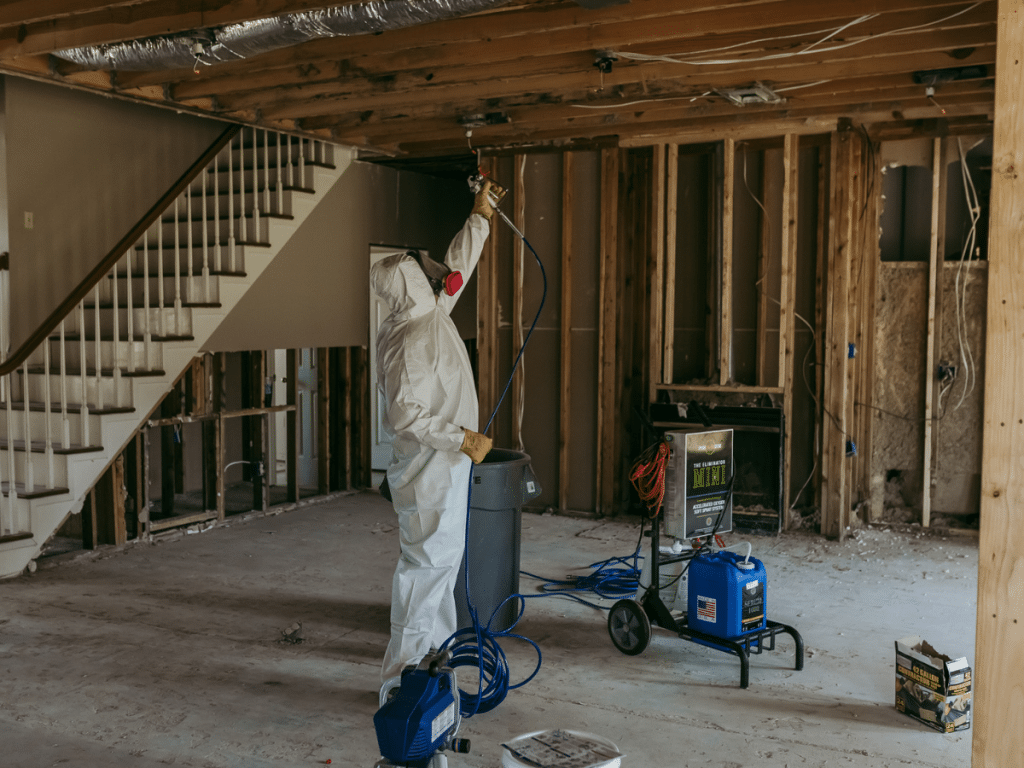
Mold remediation focuses on:
- Containment
- Removal of affected materials
- HEPA filtration
- Structural drying
- Cleaning and sanitizing
- Moisture control
CleanWay Construction & Restoration provides mold remediation services but does not perform environmental mold testing. When testing is needed, we work alongside trusted environmental testing providers and follow industry-approved remediation protocols.
Why Addressing Moisture Matters
Removing visible mold is only part of the solution.
Unless the source of moisture is identified and corrected, mold may return.
That’s why professional remediation includes locating and addressing the underlying moisture issue while restoring affected areas.
Frequently Asked Questions
How quickly can mold grow after water damage?
Mold can begin developing within 24 to 48 hours when moisture remains inside building materials.
Can mold grow behind walls?
Yes. Many mold problems develop behind drywall, under flooring, or above ceilings where moisture is hidden from view.
What does mold smell like?
Many people describe mold as musty, earthy, or damp. Persistent odors are often one of the earliest warning signs.
Do I need mold testing?
Every situation is different. If testing is recommended, CleanWay can work alongside qualified environmental testing professionals while providing remediation services.
What is mold remediation?
Mold remediation is the process of containing, removing, cleaning, and restoring affected areas while addressing the moisture source that allowed mold growth to occur.
Why Homeowners Choose CleanWay
When moisture problems lead to mold concerns, property owners need a team they can trust.
CleanWay Construction & Restoration offers:
- Family-owned and operated Arkansas company
- Offices in Conway and Jonesboro
- Mold remediation services
- Water damage restoration
- Structural drying
- Reconstruction services
- Residential and commercial restoration
- Assistance working with insurance adjusters
Our goal is to help homeowners and businesses restore safe, healthy environments while addressing the root cause of the problem.
Need Mold Remediation in Conway?
If you’ve noticed musty odors, water stains, recurring moisture issues, or visible mold growth, don’t ignore the warning signs.
CleanWay Construction & Restoration proudly serves Conway, Greenbrier, Vilonia, Mayflower, Morrilton, and surrounding Central Arkansas communities with professional mold remediation, water damage restoration, structural drying, and reconstruction services.